

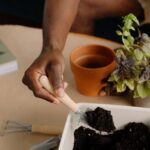


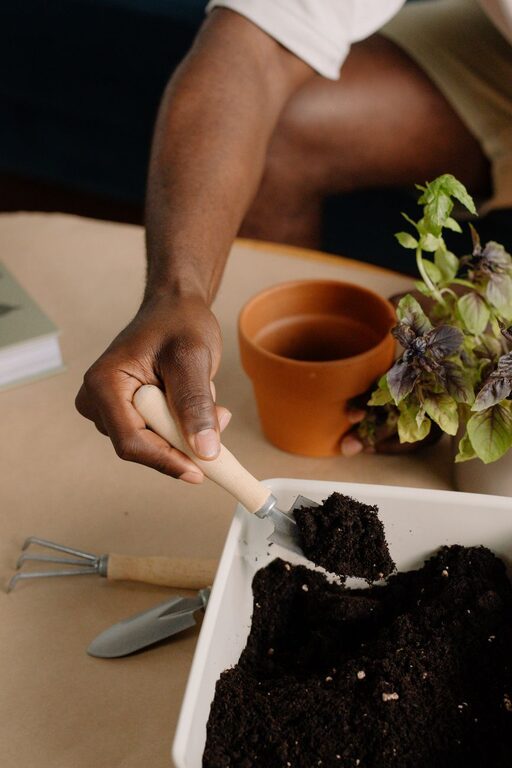
Growing a small herb garden indoors is a rewarding way to bring fresh flavors into your kitchen while adding a touch of greenery to your living space. Whether you have a large sunny window or just a small corner of your apartment, growing herbs indoors is easier than you might think. This guide will walk you through everything you need to know to get started, from choosing the right herbs and containers to caring for your plants.
Why Grow Herbs Indoors?
Indoor herb gardens offer several benefits:
– Fresh ingredients: Have fresh herbs like basil, parsley, and thyme at your fingertips for cooking.
– Year-round growth: Avoid seasonal limits by growing herbs all year indoors.
– Space-saving: Perfect for small apartments or homes without a garden.
– Improved air quality: Indoor plants can help purify the air.
– Hobby and relaxation: Gardening is a calming and rewarding activity.
Choosing the Right Herbs for Indoor Growing
Some herbs do better indoors than others. Here are common, easy-to-grow herbs suitable for indoor gardens:
– Basil: Needs plenty of sunlight and warmth.
– Mint: Grows quickly and tolerates less light.
– Parsley: Prefers moderate light.
– Chives: Thrives with moderate light and regular watering.
– Thyme: Requires good airflow and plenty of light.
– Oregano: Tolerates lower light conditions.
– Cilantro: Needs cooler temperatures and good light.
Start with two or three varieties to keep your garden manageable.
Selecting Containers and Soil
Containers
Choose pots or containers that have good drainage holes to prevent waterlogging. Options include:
– Small terracotta pots
– Recycled containers with holes punched in the bottom
– Window boxes
– Hydroponic trays for soil-free gardening
Size matters—herbs typically don’t need very deep pots. A 4 to 6-inch pot is usually sufficient.
Soil
Use a high-quality potting mix designed for indoor plants. Avoid garden soil, which may be too heavy and prone to pests indoors.
Finding the Best Location for Your Herb Garden
Most herbs require about 6 hours of direct sunlight daily. Look for:
– A south-facing window with plenty of natural light
– A bright kitchen countertop near a window
– Use grow lights if natural light is limited, positioning them about 6–12 inches above the herbs for 12–16 hours a day.
Avoid placing herbs in drafty or overly cold areas.
Planting Your Herbs
You can start herbs from seeds or buy young plants from nurseries.
Starting from Seeds
– Fill your pot with moist potting mix.
– Plant seeds according to package instructions (usually ¼ inch deep).
– Cover lightly and keep soil moist but not wet.
– Place in a warm, well-lit area.
– Germination times vary from several days to a few weeks.
Using Starter Plants
– Gently remove plants from nursery containers.
– Loosen roots slightly.
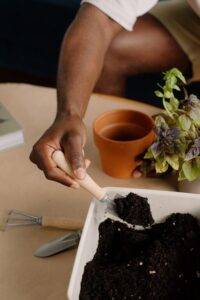
– Plant in your pots with fresh potting soil.
– Water immediately after planting.
Caring for Your Indoor Herb Garden
Watering
– Keep soil consistently moist but not soggy.
– Water when the top inch of soil feels dry.
– Ensure excess water drains away.
Light
– Rotate pots weekly for even growth.
– Supplement light with grow lights if needed.
Fertilizing
– Use a balanced, water-soluble fertilizer every 4–6 weeks.
– Avoid over-fertilizing, which can reduce herb flavor.
Pruning and Harvesting
– Regularly pinch off the tops to encourage bushier growth.
– Harvest herbs frequently by cutting stems just above a leaf node.
– Avoid removing more than one-third of the plant at a time.
Pest Control
– Inspect plants regularly for pests like aphids or spider mites.
– Wipe leaves with a damp cloth or spray with mild soap solution if needed.
Tips for Success and Common Challenges
– Humidity: Indoor air can be dry; mist plants occasionally or use a humidity tray.
– Temperature: Keep herbs at a stable temperature between 65-75°F.
– Leggy growth: If plants grow tall and spindly, they may need more light.
– Overwatering: Can cause root rot; always check soil moisture before watering.
– Starting small: Begin with a few herbs and expand as you gain confidence.
Enjoying Your Indoor Herb Garden
Having fresh herbs at home invites creativity in cooking and encourages healthier eating. Use your harvest for:
– Flavoring soups, salads, and sauces
– Making herbal teas
– Garnishing dishes for a fresh look
Plus, the green plants brighten your living space and can improve your mood.
Final Thoughts
Starting a small herb garden indoors is a practical and enjoyable project for any level of gardener. With just a few pots, some quality soil, proper lighting, and care, you can grow fresh herbs all year round. Whether you’re a seasoned green thumb or a complete beginner, these simple steps will guide you to a thriving indoor herb garden that enhances your home and your meals.
Happy gardening!


More Stories