




Bringing houseplants into your home adds beauty, improves air quality, and boosts your mood. However, keeping them healthy and thriving requires some attention and care. Whether you’re new to indoor gardening or have a collection of leafy friends, these practical tips will help you maintain vibrant houseplants.
Choosing the Right Plants for Your Space
Before diving into care routines, it’s important to select plants suited to your environment. Consider factors like light availability, temperature, and humidity.
– Assess light levels: Some plants need bright, indirect sunlight, while others thrive in low light. For sunny spots, try succulents or fiddle leaf figs. For shadier rooms, consider snake plants or pothos.
– Match humidity and temperature: Tropical plants prefer warm, humid conditions. If your home is dry, opt for plants that tolerate low humidity, such as ZZ plants.
Selecting the right plant makes all the difference in ease of care and longevity.
Proper Watering Practices
Watering is a common challenge for many plant owners. Both overwatering and underwatering can harm your plants.
– Check soil moisture: Before watering, stick your finger about an inch into the soil. If it still feels damp, wait a few more days.
– Use well-draining pots: Ensure your plant containers have drainage holes to prevent water from pooling and causing root rot.
– Water thoroughly: When you water, do so until excess runs out the drainage holes. This helps wash away salts and ensures roots get enough moisture.
– Adjust with seasons: Most plants need more water in warmer months and less during dormancy in winter.
Learning your individual plant’s watering needs is key to keeping it happy.
Providing Adequate Light
Light is essential for photosynthesis, so placing your plants where they get suitable light is crucial.
– Rotate plants regularly: Turning plants weekly encourages even growth and prevents them from leaning toward the light source.
– Supplement with grow lights: If natural light is limited, especially in winter, consider using LED grow lights to give your plants a boost.
– Avoid direct harsh sunlight: Many indoor plants prefer indirect light and can get scorched by strong direct rays.
Understanding each plant’s light preference helps it maintain vibrant foliage and healthy growth.
Proper Feeding and Fertilizing
Plants need nutrients to grow well, but overfeeding can be harmful.
– Use balanced fertilizers: A general-purpose liquid fertilizer diluted to half strength works well for most houseplants.
– Feed during growing season: Fertilize plants monthly during spring and summer when they grow actively. Reduce or stop feeding in fall and winter.
– Follow directions carefully: Always read fertilizer instructions to avoid burning roots or causing fertilizer buildup.
Regular feeding supports healthier, fuller plants.
Maintaining Ideal Humidity and Temperature
Indoor environments can sometimes be too dry or cold for tropical houseplants.
– Increase humidity: Use a humidifier, place a water tray near plants, or group plants together to raise humidity naturally.
– Keep away from drafts: Avoid placing plants near air conditioners, heaters, or drafty windows where temperature fluctuates.
– Maintain stable temperatures: Most houseplants thrive between 65°F and 75°F (18°C–24°C).
Creating a stable environment helps prevent stress and pest issues.
Pruning and Cleaning Your Plants
Keeping your plants tidy promotes better growth and prevents disease.
– Remove dead or yellow leaves: This improves appearance and redirects energy to healthy parts.
– Trim leggy growth: Pruning encourages bushier, denser foliage.
– Dust leaves regularly: Wipe leaves with a damp cloth or give plants a gentle shower to remove dust that blocks sunlight.
Regular upkeep keeps your plants looking their best.
Monitoring for Pests and Diseases
Healthy plants can still face threats from pests like spider mites, aphids, or scale insects.
– Inspect plants often: Check undersides of leaves and stems for tiny insects or webbing.
– Take early action: Treat infestations quickly with insecticidal soap, neem oil, or by isolating affected plants.
– Keep plants clean and hydrated: Strong, well-cared-for plants resist pests better.
Early detection is essential to prevent spread and damage.
Repotting When Needed
Plants outgrow their pots or soil nutrients get depleted over time.
– Know when to repot: Signs include roots growing through drainage holes or slow growth.
– Choose right-sized pot: Pick a container 1–2 inches larger in diameter than the current one.
– Use fresh soil: Repot with high-quality potting mix suitable for your plant type.
– Handle roots gently: Avoid damaging root systems during transfer.
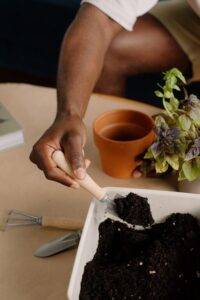
Repotting refreshes soil and provides room for new growth.
—
With these tips, you’ll be well equipped to care for your houseplants successfully. Remember that every plant is unique, so observe and adjust care routines as needed. Enjoy the calming presence and natural beauty that thriving indoor plants bring to your home!



More Stories