





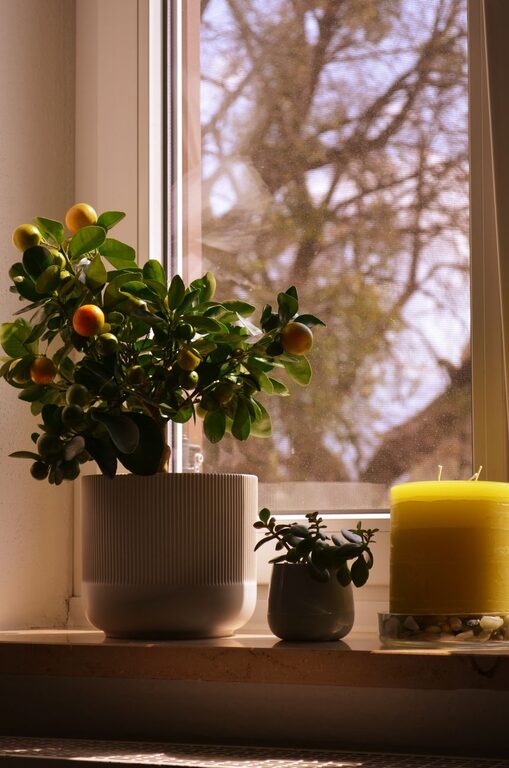
Bringing plants into your home is a wonderful way to refresh your living space and create a soothing atmosphere. Whether you have a green thumb or are just starting out, adding greenery can improve air quality, boost your mood, and make your rooms feel more vibrant. In this guide, we’ll explore easy steps to select, place, and care for plants that fit your style and home environment.
Why Add Plants to Your Home?
Plants are more than decorative items; they have several benefits, including:
– Improved air quality: Many houseplants help filter indoor air by absorbing toxins.
– Stress reduction: Being around plants can calm your mind and reduce anxiety.
– Enhanced aesthetic: Plants add color, texture, and life to any room.
– Connection to nature: Indoor greenery brings a bit of the outdoors inside, helping you feel more connected to the natural world.
Choosing the Right Plants for Your Home
When picking plants, consider factors like light, space, and your commitment to care.
Assess Your Lighting
– Bright light: South or west-facing windows support plants like succulents, fiddle leaf figs, and snake plants.
– Medium light: East-facing windows or rooms with indirect sunlight are perfect for pothos, peace lilies, and spider plants.
– Low light: North-facing rooms or spots far from windows work well for ZZ plants, philodendrons, and cast iron plants.
Think About Size and Placement
– Small plants: Great for desks, shelves, or windowsills. Examples include succulents, air plants, or small ferns.
– Medium plants: Suitable for tables or counters. Try a snake plant or a rubber plant.
– Large plants: Ideal for floor corners or next to furniture. Consider a monstera or fiddle leaf fig.
Consider Your Lifestyle
– Low maintenance: If you’re busy or new to plants, choose hardy types like pothos, snake plants, or ZZ plants.
– More involved care: If you enjoy gardening, orchids or ferns might be rewarding.
Easy Ways to Incorporate Plants into Your Home
Create a Green Corner
Dedicate one corner to a variety of plants in different sizes and heights. Use plant stands to add dimension and group plants with similar light requirements.
Use Hanging Planters
Hanging plants save space and add vertical interest. Try trailing plants like string of pearls or English ivy in macrame hangers.
Decorate with Planters
Choose planters that suit your décor style. Ceramic, terracotta, woven baskets, or modern geometric pots can enhance the plant’s visual appeal.
Mix Plants with Other Décor Items
Combine plants with books, candles, or art pieces to create personalized displays on shelves or coffee tables.
Caring for Your Indoor Plants
Watering Tips
– Check soil moisture before watering. Overwatering is a common mistake.
– Use pots with drainage holes to prevent root rot.
– Adjust watering frequency with seasons; plants generally need less water in winter.
Light and Temperature
– Rotate plants occasionally to ensure even growth.
– Keep plants away from drafts or direct heat sources.
Feeding and Pruning
– Fertilize plants every few months with a balanced houseplant fertilizer.
– Remove dead leaves and trim leggy growth to keep plants healthy and attractive.
Troubleshooting Common Issues
– Yellow leaves: May indicate overwatering or poor drainage.
– Drooping leaves: Could mean underwatering or too much sun.
– Pests: Check for tiny bugs and treat with natural insecticidal soap if needed.
Final Thoughts
Refreshing your home with plants is a rewarding and enjoyable process. Start small, experiment with different plants and placements, and you’ll soon discover how greenery can transform your space. Not only do plants beautify your rooms, but they also contribute to a healthier, happier home environment.
Enjoy your journey to a greener, fresher home!




More Stories