





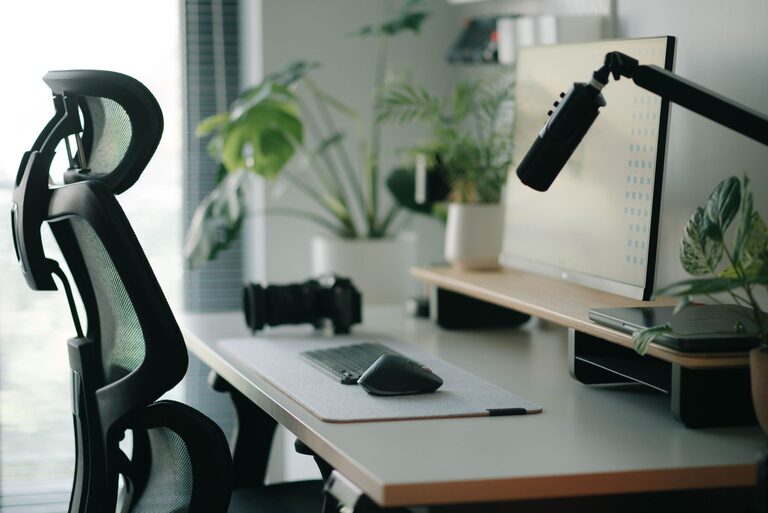
Creating a workspace that enhances both focus and comfort can make a significant difference in your productivity and overall well-being. Whether you work from home, study, or spend many hours at a desk, setting up your environment thoughtfully can help minimize distractions, reduce fatigue, and keep you motivated throughout the day.
In this post, we’ll explore practical tips for arranging your desk to promote concentration and comfort, covering everything from ergonomic furniture to organization and lighting.
Why Your Desk Setup Matters
The way your desk and workspace are arranged affects not only how well you work but also your physical health. Poor posture, clutter, and inadequate lighting can lead to discomfort, headaches, and decreased productivity.
By optimizing your desk setup, you can:
– Improve focus and reduce distractions
– Prevent strain and injury
– Boost energy and motivation
– Make work feel more enjoyable and less tiring
Choosing the Right Desk and Chair
Desk Height and Size
Your desk should be high enough that your arms rest comfortably at a 90-degree angle when typing or writing. Standard desk heights range from 28 to 30 inches, but adjustable desks or standing desks can offer flexibility.
Choose a desk size that fits your space and work style. You need enough room for your computer, essential accessories, and some free space to keep things organized.
Ergonomic Chair
A good chair supports your lower back and encourages proper posture. Look for chairs with these features:
– Adjustable seat height to keep feet flat on the floor
– Lumbar support to protect the lower back
– Swivel and tilt options for movement
– Comfortable cushioning to reduce pressure points
Avoid chairs that are too soft or firm and those without back support.
Organizing Your Desk for Focus
Declutter Regularly
A cluttered desk can distract your mind and slow you down. Keep only what you need daily on your desk. Store extra items in drawers or shelves.
Use Storage Solutions
Desk organizers, trays, and drawer dividers help keep pens, papers, and other supplies neat and accessible. Vertical storage can save space and keep your desk surface clear.
Arrange for Efficiency
Position frequently used items within arm’s reach. Keep your keyboard, mouse, and monitor directly in front of you to maintain a natural posture.
Optimize Lighting to Reduce Eye Strain
Proper lighting is key to comfortable focus:
– Use natural light when possible, positioning your desk near a window but avoid glare on your screen.
– Add a desk lamp with adjustable brightness and direction for focused tasks.
– Choose bulbs with a color temperature between 4000K–5000K to mimic daylight and reduce eye fatigue.
Avoid harsh overhead lighting or working in dimly lit areas.
Position Your Monitor Correctly
The placement of your monitor impacts both comfort and focus:
– Keep the top of your screen at or slightly below eye level.
– Position the monitor about an arm’s length away.
– Tilt the screen slightly upward for a natural line of sight.
– Consider dual monitors if you need extra screen space but arrange them to minimize neck movement.
Create a Comfortable Environment
Manage Noise
Too much noise can disrupt focus. Use noise-cancelling headphones or play soft background music if you’re in a loud environment.
Add Personal Touches
Incorporate items that make your space inviting but not distracting, such as a small plant, artwork, or photos. These can improve mood and reduce stress.
Temperature and Air Quality
Keep your workspace well-ventilated and at a comfortable temperature. Fresh air and a moderate climate contribute to alertness and comfort.
Take Breaks and Move
Even with the perfect desk setup, sitting for long periods can cause fatigue. Remember to:
– Take short breaks every hour to stretch or walk.
– Use a sit-stand desk to alternate between sitting and standing.
– Perform simple stretches to relieve tension.
Final Thoughts
Setting up your desk with focus and comfort in mind doesn’t have to be complicated or expensive. Small changes like adjusting chair height, managing clutter, and improving lighting can have a big impact on how you feel and work.
Take time to personalize your workspace so it meets your needs and supports your tasks. With the right setup, you’ll find it easier to concentrate and enjoy your workday more.
—
We hope these desk setup tips inspire you to create a workspace that works for you. Happy organizing!




More Stories
How to Keep Your Emails Under Control for a Stress-Free Inbox