





Stretching is a simple yet powerful way to enhance your physical health, improve flexibility, and reduce muscle tension. Whether you’re new to exercise or looking for a low-impact way to stay active, stretching at home is an accessible and effective option. This beginner’s guide will walk you through the basics of stretching, how to get started safely, and some easy routines you can try today.
Why Stretching Matters
Stretching helps maintain muscle flexibility, improves range of motion in your joints, and promotes better posture. It can also help prevent injuries and relieve muscle soreness. Many people find that regular stretching helps reduce stress and improves overall body awareness.
Benefits of Regular Stretching
– Enhances flexibility and mobility
– Reduces muscle stiffness and soreness
– Improves circulation
– Supports better posture
– Helps relieve tension and stress
Getting Started: What You Need to Know
Before you begin stretching at home, it’s important to keep a few key points in mind to ensure safety and effectiveness.
Warm Up First
Stretching cold muscles can lead to injury. Start with a brief 5-minute warm-up such as walking in place, light jogging, or arm circles to get your blood flowing.
Don’t Bounce
Avoid bouncing while stretching, as this can cause muscle strain. Instead, hold each stretch steadily and comfortably.
Listen to Your Body
You should feel a gentle stretch, not pain. If something hurts, ease off or stop that stretch.
Hold Stretches for 15-30 Seconds
For beginners, holding a stretch for about 15 to 30 seconds is ideal. Repeat each stretch 2-3 times.
Breathe Deeply
Focus on breathing evenly and deeply while stretching. This helps your muscles relax and increases oxygen flow.
Basic Stretching Exercises for Beginners
Here are some beginner-friendly stretches to incorporate into your home routine. These target major muscle groups and can be done without any special equipment.
1. Neck Stretch
– Sit or stand with a straight spine.
– Slowly tilt your head toward one shoulder until you feel a stretch on the opposite side of your neck.
– Hold for 20 seconds, then switch sides.
2. Shoulder Stretch
– Bring one arm across your chest.
– Use your other arm to gently pull it closer to your body.
– Hold for 20-30 seconds, then switch arms.
3. Chest Stretch
– Stand tall and clasp your hands behind your back.
– Straighten your arms and gently lift your chest while squeezing your shoulder blades together.
– Hold for 20-30 seconds.
4. Seated Hamstring Stretch
– Sit on the floor with one leg extended.
– Reach toward your toes while keeping your back straight.
– Hold for 20-30 seconds, then switch legs.
5. Quadriceps Stretch
– Stand holding onto a chair for balance.
– Grab your ankle behind you and gently pull your heel toward your buttocks.
– Hold for 20-30 seconds, then switch legs.
6. Cat-Cow Stretch (for back flexibility)
– Start in a tabletop position on your hands and knees.
– Arch your back upward while tucking your chin (Cat).
– Then lower your belly and lift your head and tailbone (Cow).
– Repeat slowly 5-10 times.
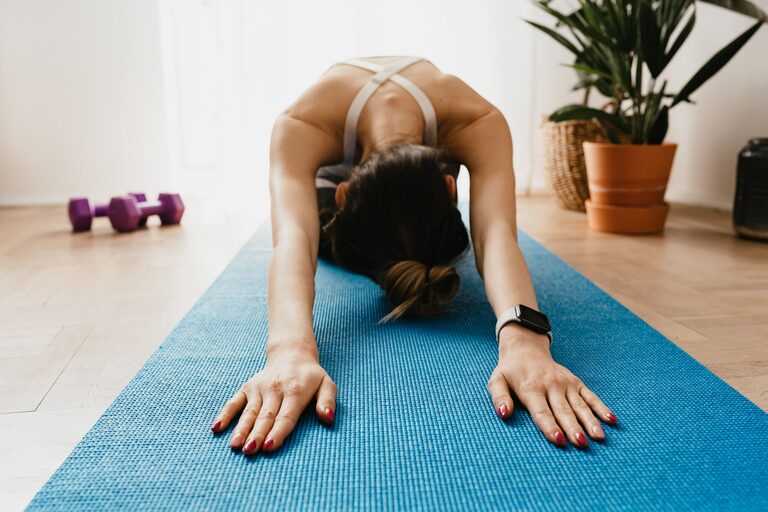
7. Child’s Pose
– Kneel on the floor, sit back on your heels, and stretch your arms forward on the floor.
– Relax your forehead down and hold for 30 seconds.
Creating a Stretching Routine
To build a consistent habit, try to stretch at least 3 times per week. You can do a quick 10-15 minute session in the morning, during breaks, or after exercising. Here’s an example routine:
– 5-minute warm-up (walking, arm circles)
– Neck stretch – 20 seconds each side
– Shoulder stretch – 20 seconds each side
– Chest stretch – 30 seconds
– Hamstring stretch – 30 seconds each leg
– Quadriceps stretch – 30 seconds each leg
– Cat-Cow stretch – 5-10 repetitions
– Child’s Pose – 30 seconds
Adjust timing and stretches based on your needs.
Tips for Success
– Set a regular schedule to stay consistent.
– Use a yoga mat or soft surface for comfort.
– Wear comfortable clothing that allows movement.
– Stay hydrated.
– If you have any medical conditions or injuries, check with a healthcare professional before starting a new stretching routine.
Conclusion
Stretching at home is an easy, budget-friendly way to improve flexibility, reduce tension, and support overall health. By incorporating simple stretches into your daily routine, you’ll start feeling looser, more relaxed, and ready to take on each day. Remember to start slow, listen to your body, and enjoy the process of moving with ease.
Happy stretching!




More Stories